

152
Film · 2016
Paradise
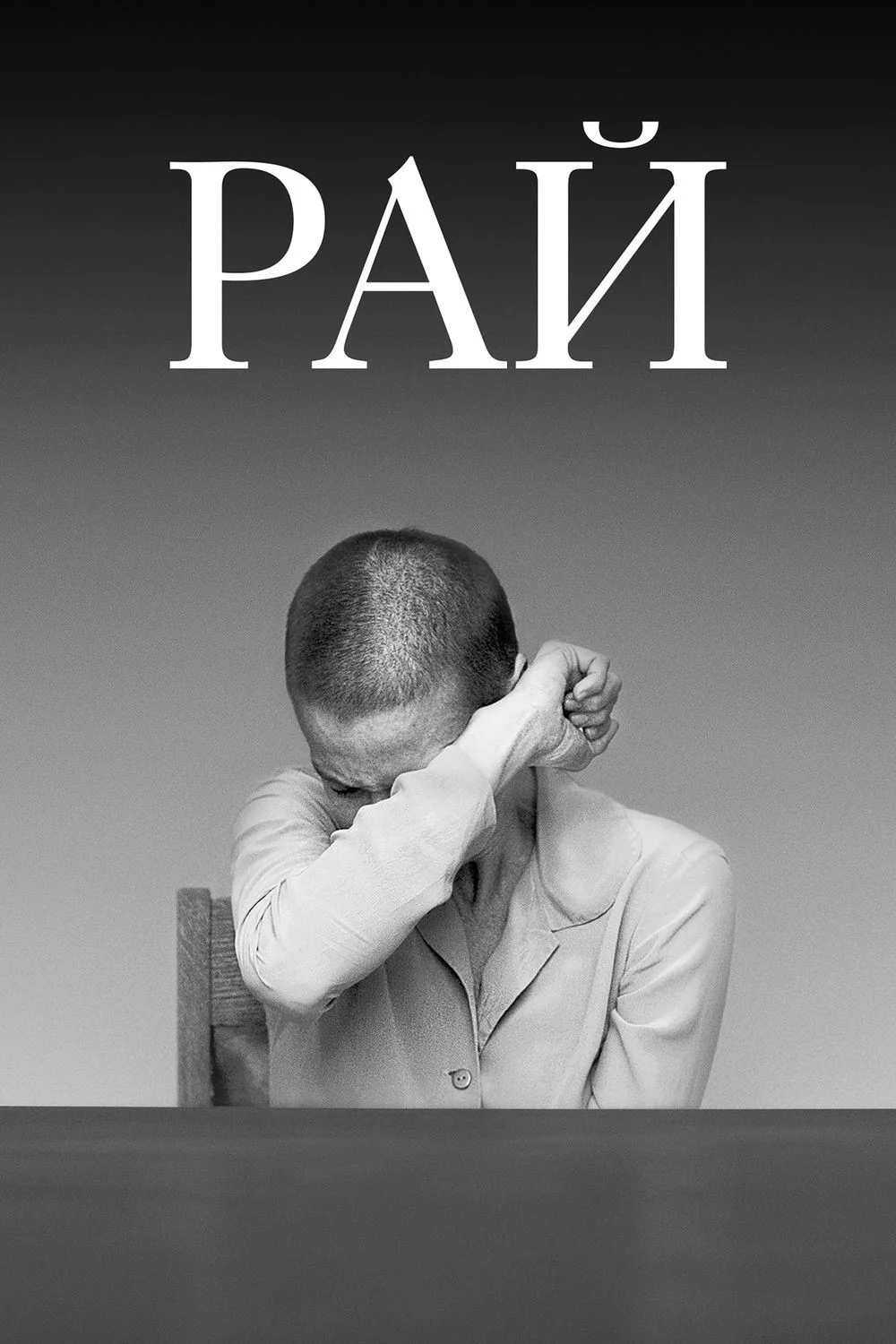
РайPresented in stark monochrome and framed by direct-to-camera confessional testimonies, three intertwined lives collide during World War II: a Russian noblewoman aiding the French Resistance, a pragmatic French collaborator, and an aristocratic SS officer who was once in love with her. Within the harrowing confines of a concentration camp, their conflicting ideals of duty, love, and redemption face a devastating final reckoning.
Your call
Already know it? Recommend it too.
Details
Around the Web
Both Vysotskaya and Clauß deliver extraordinary performances in this thoughtful and challenging film. Relatively little direct attention is paid to the horrors of the Holocaust - the audience will already be familiar with them, and the brief glimpses we do get are more powerful for their scarcity, producing acute distress rather than a dull ache that might be tuned out. Instead, the film concentrates on the psychological impact of what the different characters go through.
Jennie Kermode on Eye for Film The tragic yet life-affirming narrative of "Paradise" is presented in a deliberately old-fashioned visual style: a "square" aspect ratio, black-and-white cinematography, and traditional camerawork. The film aligns itself with wartime and postwar cinema, while imbuing classic techniques with fresh artistic significance.
Борис Иванов on Film.ru Konchalovsky does not display the physical horror of the camps, but rather what is forged through this gallery of characters trying to save their own skins by complying with the powers that be. Each will have to answer for their deeds. Konchalovsky's cold, sober approach avoids melodrama, letting the ambient horror of the Holocaust permeate this criminal and corrupt Paradise.
Nathalie Dassa on Transfuge
1 / 3
Why people recommend it
No reasons shared yet. Tell others what makes this title worth their time.